Category Archives: Economic Development

– THE POWER AT THE CENTRE OF OVERCOMING CHALLENGES

By Nimroth Gwetsa, 09 March 2015

The power of belief could be likened to using atomic energy in overcoming challenges. Its potency could transform abilities of ordinary human beings to extraordinary levels. Failures in our advancement could be overcome by exercising more faith.

Belief powerfully propels our hope to overcoming challenges and increases our expectations of a better future outcome. Without belief, there would be no hope but despair.

To what extent could our failure to achieve our developmental, financial or any other goals be due to weaknesses in our belief in envisioned goals? Continue reading

– Graft: We are to blame for the scourge of corruption

By Nimroth Gwetsa, 11 February 2015.

Corruption was the leverage used by the sophisticated and power hungry to corruptly cling to power and privileges. Corruption nowadays is the pastime of ordinary people.

Doing one’s job has been replaced with an attitude of “greasing palms first” before serving needs. Objectivity is no longer acceptable. Bribery is the instrument for advancement.

This article attempts to encourage those opposed to graft to be vigilant and to limit opportunities for corruption to thrive in their sphere of influence. Continue reading

– FEELING OF #ENTITLEMENT KILLING ME SOFTLY

By Nimroth Gwetsa, 26 January 2015

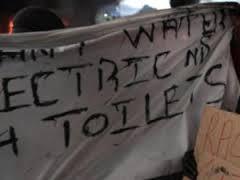
 150126 service delivery 1   150126 service delivery 2 (Pictures respectively from www.iol.co.za and www.enca.com, last accessed 26/ 01/ 2015)

This article is not an attempt to remix Roberta Flack’s Grammy Hall of Fame inducted rendition of Killing Me Softly. Hers is a Goldie Oldie. Different adaptations of her song earned many an artist, top dollar. Almost all versions of the song topped the charts everywhere they were played.

The feeling of entitlement, like Charles Fox’s composition of Flack’s song, also has its chart topping effect. Unlike Flack’s, entitlement mentality is a sure way of earning higher levels of impoverishment. This bold conclusion is based on my unscientific observation. Inequality and impoverishment is the outcome caused by different factors. This article is mainly concerned about the effect entitlement mentality could have in rising levels of impoverishment. Continue reading

– Preparing for and dealing with consequences of #financial difficulties

For some, these are hard economic times we live in: Government debt is increasing, tax revenue is declining and prices for goods and services are increasing. Businesses and consumers are feeling the pressure. Almost all economic sectors have shed jobs and some continue to do so. Many companies and families are forced into bankruptcy. Hope has been lost, resulting in others taking avoidable, yet irreversible drastic actions. Where there is life, there is hope. By Nimroth Gwetsa, 09 December 2014.

Continue reading

– How IT Professionals could use Information Management to gain recognition in business

By Nimroth Gwetsa, 29 October 2014.

141029 Business Buzzwords blob 3 141029 Business Buzzwords blob 1141029 Business Buzzwords blob 2

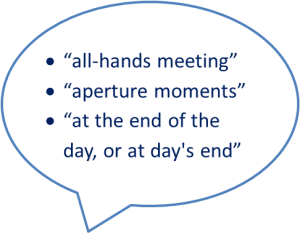
Some Overused Business Buzzwords

Using buzzwords can be troublesome. Salespeople often use them to hoodwink potential buyers into spending money on their redundant products and services. IT professionals, marketers and consultants notoriously force jargons in business communication.

Jargon can be useful in simplifying complex topics. Sometimes explanations cause more confusion than ordinary use of words. I hope to not cause any confusion with my brief discussion on Information Management. Continue reading

– Declining Entrepreneurship in Human Development

What is it about developing people that gets bosses’ backs up? Even seasoned entrepreneurs become fear-stricken business paraplegics when faced with staff development.

By Nimroth Gwetsa, 15 October 2014.

Continue reading

GENERATING NEW REVENUE BY LEVERAGING EXISTING OFFERINGS

 141002 Pict of Cape Town Street 141002 Pic of Shacks of the Poor

(Pictures courtesy of African Globe: http://www.africanglobe.net/africa/cape-town-tales-city/)

We have heard politicians talk about South Africa having parallel economies[1]: one serving the well developed and the other, emerging sector of our society. The dichotomy should ideally result in active companies in the economy equally thriving in the development of new offerings and in the reuse of existing products and services. Reuse, in this case, referring to the creation of additional revenue by leveraging existing offerings and applying them in a different context. Writes Nimroth Gwetsa, 2 October 2014.

Continue reading